
Modern communities are evolving at a pace that would have been difficult to imagine only a generation ago. Population growth continues to reshape cities, suburbs, and rural regions. Technology advances faster than infrastructure, regulation, and public understanding can easily keep up. Environmental awareness has shifted from a secondary concern to a central priority for governments, businesses, and residents alike. These forces do not operate independently. Together, they influence how societies manage waste, develop land, buy and sell property, and communicate progress to the public.
What once appeared to be unrelated industries now function as parts of a single interconnected system. Residential junk removal, tree removal, computer recycling, land clearing, real estate transactions, and media technology intersect in ways that directly shape sustainability, economic opportunity, and quality of life. From addressing microplastics and electronic waste to preparing properties for cash offers for homes and documenting progress using OLED broadcast monitors and fiber camera adapters, cleanup has become a foundational element of modern community development.
This shift reflects a bigger change in how people understand waste, space, and responsibility. Cleanup is no longer simply about removing unwanted items. It is about creating healthier environments, supporting responsible growth, preserving long-term value, and building systems that serve present needs while protecting future generations.
The Expanding Importance of Residential Junk Removal
Residential junk removal has grown far beyond its original purpose of hauling away old furniture or clearing cluttered garages. Today, it supports many of the most significant transitions people experience throughout their lives. Downsizing, estate cleanouts, home renovations, relocations, foreclosures, and property sales all rely on efficient and professional junk removal services.
As housing markets become more competitive, especially in dense urban areas and fast-growing suburban regions, the condition of a property plays a crucial role in buyer perception. Homes that are clean, open, and free of debris photograph better, show better, and generate stronger emotional responses from potential buyers. Clutter introduces doubt and hesitation. Clean spaces create confidence, clarity, and a sense of readiness.
This dynamic becomes even more important in markets where cash offers for homes are common. Investors and home-buying companies prioritize speed, certainty, and simplicity. A cleared property reduces unknowns, minimizes delays, and allows transactions to move forward quickly. For sellers, professional junk removal can shorten selling timelines, reduce stress, and improve overall outcomes while simplifying an otherwise complex process.
Modern junk removal providers often work closely with real estate agents, property managers, contractors, and land developers. These partnerships ensure that properties are cleared efficiently while reusable materials, scrap metal, and electronics are responsibly diverted away from landfills. This collaborative approach supports smoother transactions, reduces environmental impact, and contributes to more sustainable redevelopment across entire neighborhoods.
Tree Removal and Land Clearing in a Growing Landscape
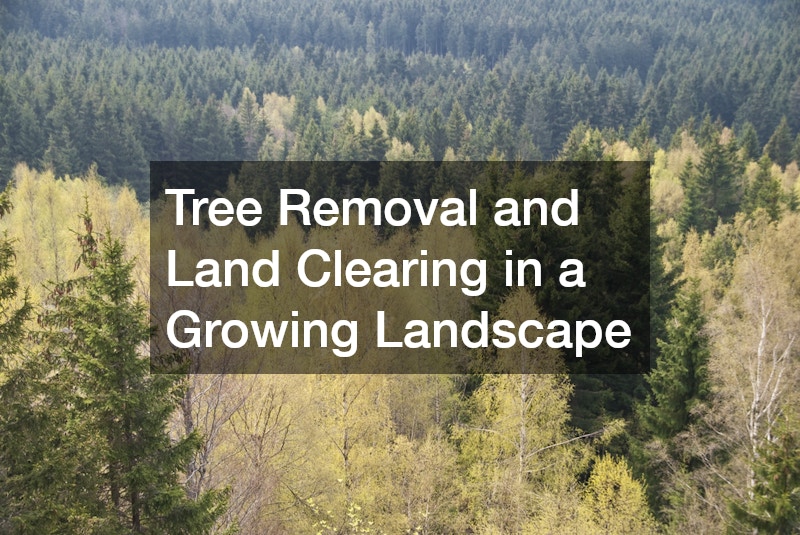
Tree removal and land clearing are essential components of modern development, but they must be approached with careful planning and environmental responsibility. Whether land is being prepared for residential construction, commercial projects, utility installation, or agricultural use, clearing activities shape environmental outcomes for decades to come.
Contemporary land clearing practices increasingly emphasize selective removal. Dead, diseased, or structurally unsafe trees are removed while healthy vegetation is preserved whenever possible. This approach protects soil stability, reduces erosion, and maintains habitats for wildlife. Thoughtful clearing allows development to proceed without unnecessarily damaging surrounding ecosystems or disrupting natural drainage patterns.
Tree removal and land clearing also play an important role in public safety. In regions prone to drought and extreme heat, unmanaged vegetation increases wildfire risk. Removing excess brush and dead growth reduces fuel loads and improves defensible space around homes, roads, and infrastructure. Responsible clearing allows communities to balance growth with long-term safety, resilience, and environmental stewardship.
Computer Recycling and the Growing Challenge of Electronic Waste
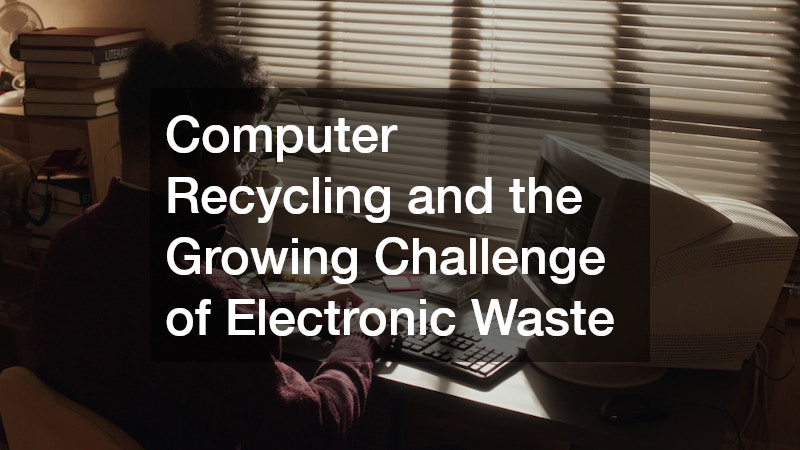
As technology continues to evolve, electronic waste has become one of the fastest-growing waste streams in the world. Computers, monitors, servers, cables, and accessories are replaced frequently as devices become outdated or incompatible with new systems and software requirements.
Improper disposal of electronics poses serious environmental risks. Many devices contain hazardous substances such as lead, mercury, and cadmium. When discarded improperly, these materials can leach into soil and groundwater, creating long-lasting contamination that affects ecosystems, drinking water supplies, and human health.
Computer recycling addresses these risks by safely dismantling devices and recovering valuable materials such as copper, aluminum, and rare earth metals. Recycling reduces the need for new resource extraction while preventing toxic substances from entering the environment. It also supports more efficient use of finite global resources.
There is also a critical data security component. Responsible recycling facilities ensure that hard drives are securely wiped or physically destroyed. This protects individuals, businesses, and institutions from data breaches and identity theft. In a data-driven economy, computer recycling supports both environmental protection and information security.
Microplastics and the Consequences of Poor Waste Management
Microplastics represent one of the most complex environmental challenges facing modern communities. These tiny plastic particles form as larger plastic items break down over time due to exposure to sunlight, water, and weather.
Microplastics are now found in soil, rivers, oceans, air, and even the human body. Improper waste disposal, inadequate recycling systems, and widespread littering all contribute to their spread. Once plastic waste enters the environment, it becomes increasingly difficult to contain or remove, making prevention the most effective strategy.
Reducing microplastic pollution begins with responsible waste management at the local level. Effective junk removal, expanded recycling programs, proper waste containment, and public education prevent plastics from degrading in open environments. These everyday actions play a critical role in protecting ecosystems and public health.
Litter Bins and the Power of Everyday Waste Infrastructure
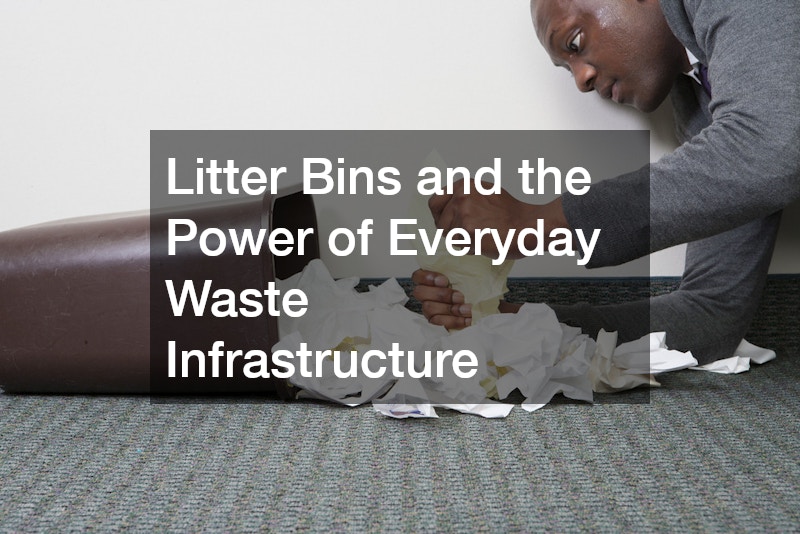
While large environmental policies attract attention, everyday infrastructure often determines real-world outcomes. Strategically placed litter bins significantly reduce trash accumulation and discourage illegal dumping in public spaces such as parks, sidewalks, and commercial districts.
Modern litter bins are designed with durability, accessibility, and waste separation in mind. Some incorporate smart technology that alerts collection services when bins are nearing capacity. This improves efficiency, reduces overflow, and helps municipalities allocate resources more effectively.
Communities that invest in thoughtful litter bin placement experience cleaner streets, lower maintenance costs, and greater civic pride. Clean public spaces support public health, tourism, and economic activity while reinforcing shared responsibility for community wellbeing.
Classic Cars and Responsible Value Preservation
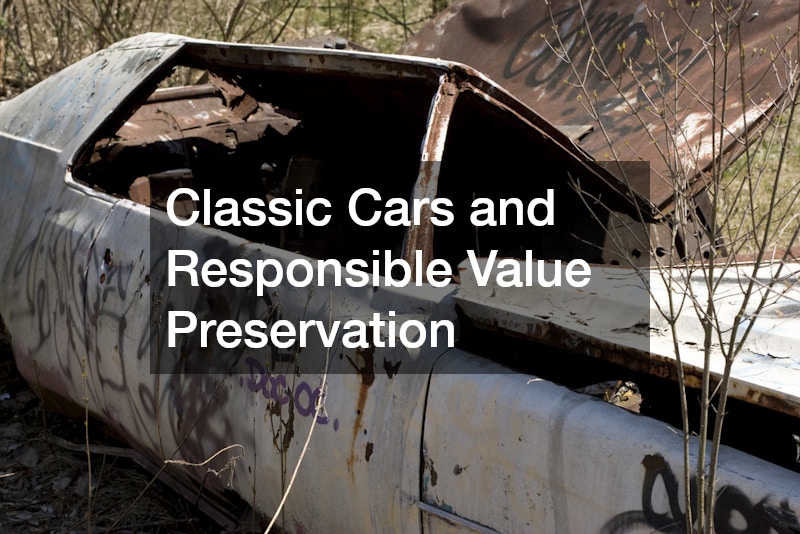
Classic cars occupy a unique position within the cleanup and recycling ecosystem. They are often discovered during estate cleanouts, garage clearances, or property renovations. At first glance, they may appear to be scrap or junk rather than assets worth preserving.
In reality, many classic cars carry historical, cultural, and financial value. When identified correctly, they can be restored, resold, or repurposed rather than dismantled. Experienced junk removal professionals increasingly recognize these opportunities and help connect owners with collectors or restoration experts who can preserve these vehicles.
Preserving classic cars reduces waste, keeps valuable materials in circulation, and protects automotive heritage. It also reflects a broader shift toward viewing cleanup as an opportunity for recovery, stewardship, and long-term value rather than simple disposal.
Cash Offers for Homes and Rapid Property Turnover
The real estate market has changed significantly with the rise of cash offers for homes. Investors and home-buying companies purchase properties in as-is condition, allowing sellers to avoid repairs, staging, and extended listing periods that can delay transactions.
Cleared properties are especially attractive in this environment. Junk removal, tree removal, and land clearing reduce uncertainty and accelerate transactions. Even when properties are sold without renovation, a clean site signals readiness for redevelopment and future investment.
Many homes purchased through cash transactions are renovated, redeveloped, or repurposed. This rapid turnover contributes to housing supply, neighborhood revitalization, and economic momentum. Cleanup services play a critical role in keeping this cycle efficient, predictable, and sustainable.
Policy, Education, and Shared Responsibility
Public policy increasingly shapes how cleanup services operate. Municipal regulations influence waste diversion requirements, recycling standards, land clearing practices, and environmental compliance. These rules encourage accountability, transparency, and responsible disposal across industries.
Education is equally important. Communities that provide clear guidance on recycling, electronics disposal, and waste reduction see higher participation and better outcomes. Schools, neighborhood groups, and local organizations reinforce these efforts through cleanup events, workshops, and sustainability initiatives.
Cleanup succeeds when responsibility is shared. Residents, businesses, and public institutions all contribute to healthier environments and more resilient communities through everyday choices and long-term planning.
Economic Opportunity Within the Cleanup Economy
The cleanup economy supports a wide range of jobs and services. Growing demand for residential junk removal, computer recycling, land clearing, and tree removal creates opportunities across logistics, operations, safety, compliance, restoration, and documentation.
Specialized niches continue to expand. Electronics recycling requires technical expertise and strict handling procedures. Tree removal demands advanced safety training and ecological awareness. Classic car recovery bridges cleanup with restoration and resale markets, creating additional economic value.
Companies that prioritize sustainable practices often gain competitive advantages. Transparency, environmental responsibility, and compliance increasingly influence purchasing decisions, partnerships, and contract awards across both public and private sectors.
Technology Improving Efficiency and Transparency
Technology improves both cleanup operations and public understanding. Digital scheduling systems, route optimization tools, and inventory tracking reduce fuel use, minimize emissions, and increase operational efficiency. Data-driven systems help identify materials suitable for reuse, donation, or recycling.
Technology also improves transparency. Digital records of waste diversion, recycling volumes, and disposal methods provide measurable proof of sustainability efforts. This accountability is increasingly important for municipalities, developers, and environmentally conscious consumers.
Media Technology and Public Awareness
Media technology plays an essential role in documenting and communicating cleanup efforts. OLED broadcast monitors provide exceptional clarity and color accuracy for documentaries, investigative reporting, and environmental storytelling. Fiber camera adapters enable reliable high-resolution video transmission from challenging or remote locations.
As access to clear visual information increases, communities become more informed and more engaged. Accurate documentation builds trust, highlights progress, and encourages public participation in sustainability initiatives and long-term planning.
Measuring Impact and Long-Term Outcomes
Modern communities increasingly measure cleanup success through long-term outcomes rather than short-term appearance. Waste diversion rates, recycling volumes, land reuse efficiency, and reductions in illegal dumping provide meaningful indicators of progress.
When residents see consistent improvement, behavior changes. Recycling participation increases, littering decreases, and community pride strengthens. These shifts reduce long-term costs, ease pressure on public services, and improve overall quality of life.
Cleanup as a Foundation for Community Resilience
Cleanup strengthens community resilience. Well-managed land reduces flood risk and wildfire danger. Responsible waste management prevents environmental contamination during disruptions. Preserving cultural assets supports shared identity and continuity across generations.
Communities that treat cleanup as essential infrastructure are better equipped to adapt to change, recover from challenges, and thrive over time.
Community Identity and the Long-Term Value of Clean Spaces
Clean and well-managed environments shape how communities see themselves and how they are perceived by others. Neighborhoods that prioritize responsible junk removal, effective recycling, and thoughtful land management communicate care, stability, and long-term vision.
Over time, these efforts influence community identity. Residents who live in clean environments are more likely to take pride in their surroundings and participate in local initiatives. This sense of ownership strengthens social connections and encourages cooperation around shared goals such as sustainability, safety, and economic development.
The long-term value of cleanup extends beyond appearance. Well-maintained land supports healthier ecosystems, reduces infrastructure strain, and lowers public maintenance costs. Properties that are consistently cleared and responsibly managed retain value more effectively and adapt more easily as community needs evolve.
Cleanup also influences future generations. Children who grow up in clean neighborhoods with visible recycling and waste systems are more likely to develop responsible habits. These early experiences shape attitudes toward conservation, stewardship, and civic responsibility.
Building the Communities of Tomorrow
The challenges facing modern communities are complex, but the solutions are increasingly interconnected. Residential junk removal supports real estate markets. Computer recycling reduces electronic waste. Land clearing enables safe development. Media technology builds awareness and accountability.
By addressing microplastics, investing in waste infrastructure, preserving valuable assets, and embracing technology, communities create cleaner, safer, and more resilient environments.
Cleanup is no longer only about removing what is unwanted. It is about creating space for progress. Through responsible practices, innovative tools, and long-term commitment, the modern cleanup economy is shaping the communities of tomorrow.