This article explores the fascinating and often overlooked world of statue restorations. We will delve into common questions and insights that many people have about this art form. Statue restorations merge the boundaries between traditional art and modern science, creating a dialogue between the past and the present.
It is a delicate process that honors the history of the piece while employing the latest technologies available. Let us take a journey through the intricacies of this unique field and unravel its many layers.
1. Polymers, Composites, and Lime-Based Mortars Are Common
Understanding the types of materials used can clarify why certain restoration techniques are preferred. Traditional materials such as marble and bronze still dominate the field, given their historical prevalence in statue creation. However, restoration also requires modern materials that provide durability and compatibility. Polymers and advanced composites are often used to repair damages or replicate missing parts with high precision. By integrating new materials, restorers aim to maintain the integrity and aesthetic of the original artwork while enhancing its longevity.
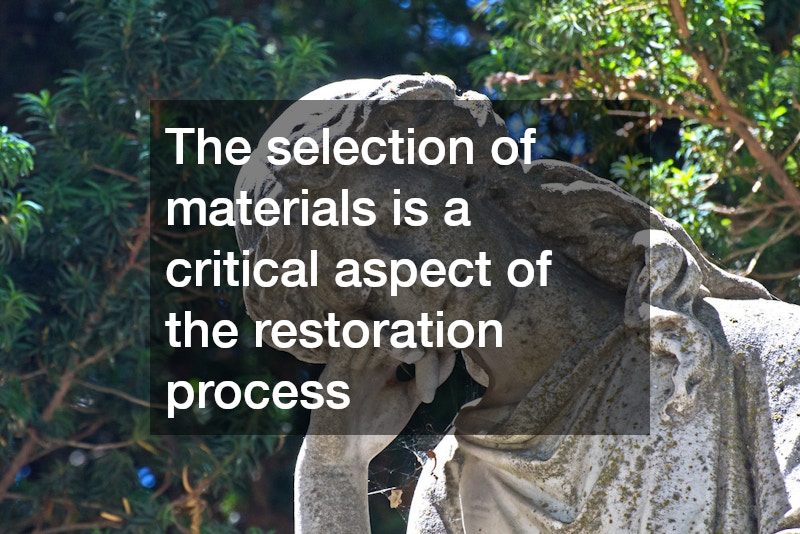
The selection of materials is a critical aspect of the restoration process, often dictated by the statue’s historical context and the extent of deterioration. For stone sculptures, conservators might use special lime-based mortars or resins that match the physical and chemical properties of the original stone. Likewise, metal statues might require specific alloys or patina chemicals to preserve their historical appearance. It is also important for restorers to consider the material’s interaction with the environment, ensuring that new additions withstand weathering and other external factors. This thoughtful balance of tradition and innovation is at the heart of every successful restoration.
Restoration materials are constantly evolving, as research advances and new technologies become available. For instance, 3D scanning and printing technology now enable restorers to recreate missing pieces with unparalleled accuracy. Innovations in nanotechnology are being explored to develop self-healing materials that can repair microscopic damage autonomously. These advancements reflect an ongoing effort to refine restoration strategies and incorporate cutting-edge solutions. The materials used in statue restoration not only serve a functional purpose but also represent an intersection of craftsmanship and scientific progress.
2. Restorers Use X-Rays and Assessments Before Conducting Repairs
This section discusses the decision-making process and factors that inform the techniques applied during restorations. Restorers begin by conducting thorough assessments to evaluate the statue’s condition, identify damage, and understand its historical significance. These assessments involve meticulous examinations, including visual inspections, material analysis, and sometimes even employing infrared or X-ray imaging. The resulting data plays a crucial role in guiding restorers toward the most suitable methods and practices. By piecing together the statue’s past and present, restorers establish a comprehensive restoration plan.
A key aspect of determining the best approach is the consideration of the statue’s original intent and aesthetic. Restorers must decide whether to fully reconstruct or only stabilize and preserve the current state of a damaged statue. Some statues bear historical alterations that have become integral to their identity, requiring conservators to make informed decisions about which aspects to preserve. Ethical guidelines and international protocols help guide these decisions, ensuring a balance between preservation and interpretation. Ultimately, the chosen approach reflects a deep respect for both the artifact and the cultural heritage it represents.
Collaboration among experts across various fields is often essential in determining the best restoration approach. Art historians, chemists, engineers, and other specialists contribute their insights, leading to a comprehensive understanding of the statue’s needs. This multidisciplinary approach ensures that all aspects of the statue’s history, material composition, and potential environmental exposures are accounted for. By synthesizing diverse perspectives, restorers can develop a nuanced strategy that honors the complexity of the artwork. Teamwork and collaborative foresight are fundamental to the restoration process, embodying a shared commitment to cultural conservation.
3. Restoration Extent and Original Appearances Are Considered
Exploring the ethical questions surrounding restoration practices can provide deeper insights into the philosophies of preservation. One major ethical consideration is the extent to which restorations should alter the original appearance of a statue. Some argue that restorations should preserve as much of the original work as possible, while others support recreating elements to reflect the artist’s original vision. The debate centers on whether restorations should prioritize historical accuracy or current interpretation. Each restoration project is unique and demands careful ethical deliberation tailored to its specific context.
Another ethical aspect involves the ownership and cultural significance of the statues. In some cases, statues may belong to communities that view them as cultural symbols or possess religious significance. It is critical for restorers to engage with these communities, acknowledging their connection to the artwork and integrating their perspectives into the restoration process. This dialogue ensures that restorations respect cultural heritage while adhering to international ethical standards. Transparency in decision-making and a commitment to cultural inclusivity are vital components of ethical restoration.
Statue restoration is a complex field that combines art, science, and ethics. By understanding these elements, we can appreciate the efforts made to preserve our cultural heritage. Restorations not only breathe new life into venerable artworks but also provoke contemplation about our relationship with history. The meticulous process of restoration underscores a broader commitment to the past, ensuring that future generations can engage with cultural and historical narratives. As we continue to innovate and face ethical considerations, the future of statue restoration promises both challenges and rewards, fostering a legacy of preservation and respect.